
Health Blog
What Is Manual Therapy and Its Benefits?

Physical therapy is often associated with exercise, but treatment can also include skilled hands-on techniques. Manual therapy may be used to influence joint movement, address symptoms, and make certain movements easier to perform. Understanding manual therapy physical therapy benefits can help you see why a physical therapist might include hands-on care alongside strengthening, mobility work, and other active treatments.
At , manual therapy can be incorporated into a broader plan based on the movements and activities you want to improve.
Read full blogfor What Is Manual Therapy and Its Benefits?Patellofemoral Pain Syndrome: Why Your Kneecap Hurts
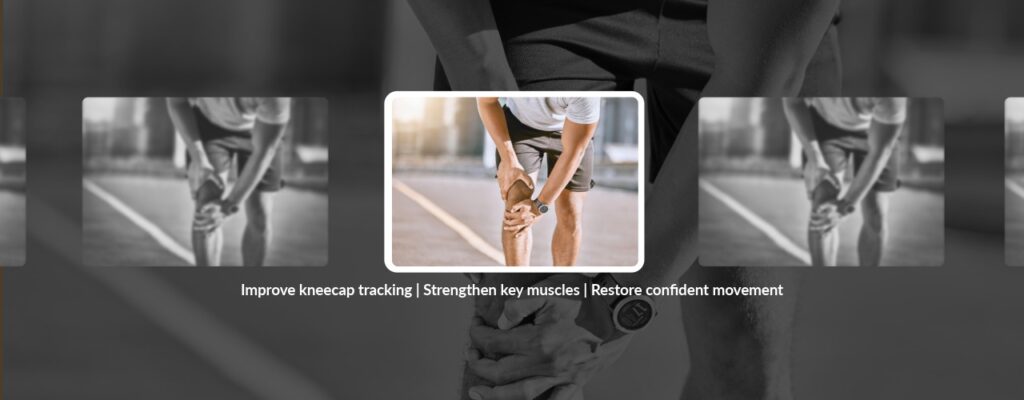
A dull, aching pain behind or around your kneecap can make daily physical activities feel like a constant struggle. You might notice this sharp discomfort while walking down a flight of stairs, squatting to pick up something, or taking a long run. When front knee soreness limits your training, seeking patellofemoral pain syndrome physical therapy delivers a clear, effective path to restore comfortable joint movement. Contact to schedule an evaluation.
Understanding the Anatomy of a Patellofemoral Pain Syndrome Issue
Your kneecap (patella) sits inside a thick tendon connecting your large thigh muscle to your shin bone.
Read full blogfor Patellofemoral Pain Syndrome: Why Your Kneecap HurtsWhen Your Headache Is Actually a Neck Problem

A headache does not always begin where you feel it. With a cervicogenic headache, the source of the symptoms is associated with the neck, while the pain is experienced in the head. That distinction matters because neck discomfort can also occur with other headache types. Cervicogenic headache physical therapy focuses on identifying relevant neck impairments and addressing the movement, strength, and activity limitations connected to the headache pattern.
A Headache From the Neck vs.
Read full blogfor When Your Headache Is Actually a Neck ProblemHow Physical Therapy Aids Achilles Tendonitis
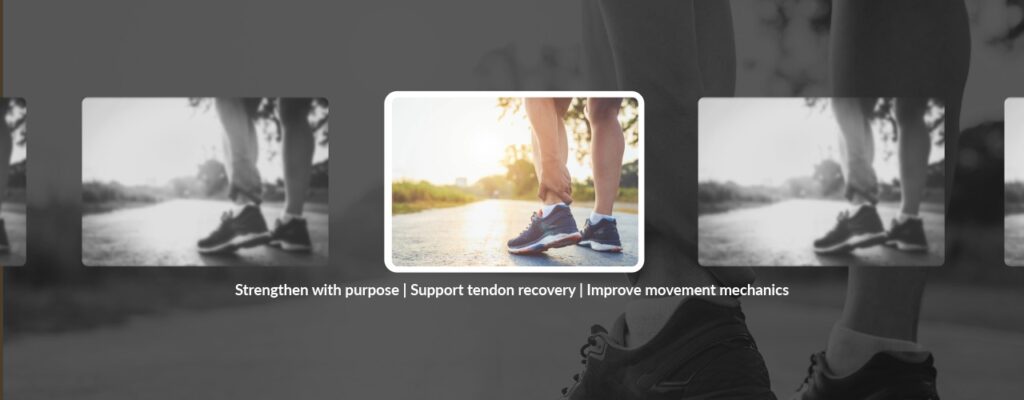
That nagging ache near the back of your heel may seem manageable at first, until running, climbing stairs, or even walking starts to feel uncomfortable. Treating Achilles tendonitis with physical therapy can help address the factors contributing to tendon irritation while gradually rebuilding the strength and capacity needed for everyday activities, exercise, and sports. With an individualized plan, the team at can help you move forward without simply waiting and hoping the problem goes away.
Read full blogfor How Physical Therapy Aids Achilles TendonitisPhysical Therapy for Back Pain Relief

Back pain can disrupt even the simplest parts of daily life—tying your shoes, lifting groceries, or sitting through a workday. It can start suddenly or build slowly over time, leaving you wondering if it will ever truly go away. Many people believe that rest or over-the-counter medications will solve the issue. However, these quick fixes rarely address the underlying cause. For lasting back pain relief, understanding the true source of pain and treating it properly is key.
Read full blogfor Physical Therapy for Back Pain ReliefTop Physical Therapy Injury Prevention Tips for Sports Injuries

Athletes of all levels are at risk for injuries, but they don’t have to be inevitable. In fact, many common sports injuries, such as sprains or strains, can be prevented with the right strategies. Whether you’re training for a competition or playing recreationally, following a few simple injury prevention tips can help keep you in the game.
At , we want to help athletes excel, including keeping them from injury.
Read full blogfor Top Physical Therapy Injury Prevention Tips for Sports InjuriesTreating Shoulder Instability with Physical Therapy Techniques

Did you know that your shoulder is the most mobile joint in your body? That mobility comes with a trade-off—it’s also one of the most unstable joints, making it prone to issues like dislocations, subluxations, and chronic instability. Fortunately, physical therapy at is one of the most effective ways of treating shoulder instability without resorting to surgery.
Many people with shoulder instability feel like their joints just won’t stay in place.
Read full blogfor Treating Shoulder Instability with Physical Therapy TechniquesFall Prevention with Vestibular Therapy

Falls are a serious concern, especially for those dealing with balance disorders. In fact, frequent vertigo, dizziness, or feelings of instability are some of the key fall risk factors. Fortunately, vestibular therapy for fall prevention is an effective way to lower your risk by improving balance, reducing dizziness, and building confidence in movement.
At , we work with patients who struggle with balance issues caused by vestibular disorders. Through personalized physical therapy programs, including vestibular therapy, we help people regain stability and prevent dangerous falls.
Read full blogfor Fall Prevention with Vestibular TherapyHow Physical Therapy Can Help Pain Management After an Injury

Pain after an injury can feel overwhelming, making daily activities a struggle. Many patients worry about how long the discomfort will last and whether they can return to their normal routines. The good news? Pain management through therapy is a proven, effective approach that helps individuals recover safely and confidently. Physical therapy addresses the root cause of pain, promoting healing while improving strength and mobility.
At , we understand that every injury is different.
Read full blogfor How Physical Therapy Can Help Pain Management After an InjuryACL Tear Risk Factors: What Athletes Need to Know to Stay Safe

Understanding ACL tear risk factors is crucial for athletes at every level. Did you know that ACL tears can sideline an athlete for months and even lead to long-term knee issues? The good news is that many of these injuries are preventable. By recognizing the risks and taking action, you can stay active and strong. This checklist will help you identify common risk factors and show you how can support your journey to safer sports performance.
Read full blogfor ACL Tear Risk Factors: What Athletes Need to Know to Stay Safe
