
Health Blog
Managing Post-Concussion Syndrome with Physical Therapy

Meet Mark (not his name), an office worker who tripped and hit his head, resulting in a mild concussion. As Mark recovered from the initial symptoms of his concussion, he continued to experience lingering headaches, dizziness, and difficulty concentrating. These symptoms impacted his performance at work and interfered with his daily activities and social life. Managing post-concussion syndrome with physical therapy offers hope and targeted strategies to help alleviate these symptoms and restore normalcy.
Ready to get started with physical therapy for post-concussion syndrome?
Read full blogReturn-To-Play Protocols: Understanding and Meeting the Criteria for Sport Readiness

Return-to-play protocols are critical in the sports rehabilitation field, ensuring that athletes safely resume their activities after an injury. These guidelines help physical therapists, coaches, and athletes make informed decisions about when to return to training and competition, minimizing the risk of re-injury. Explore the components of return-to-play (RTP) protocols, criteria for sports readiness, and the role of physical therapy in preparing athletes for a safe and confident return to their sports.
If you’re an athlete recovering from an injury and eager to return to your sport safely, our team at in Florida offers comprehensive assessments and rehabilitation programs that align with RTP protocols.
Read full blogVestibular Therapy: Effective Treatment for Dizziness

Do you often feel dizzy, lightheaded, or off-balance? You’re not alone. This unsettling sensation can significantly impact your daily life and activities. Fortunately, vestibular therapy for dizziness offers an effective solution for managing symptoms and regaining balance.
Understanding Vestibular Therapy for Dizziness
Dizziness refers to a range of sensations, including vertigo (a spinning feeling), lightheadedness, unsteadiness, or feeling faint. These symptoms can arise from various causes.
Common Causes of Dizziness
- Benign Paroxysmal Positional Vertigo (BPPV)
- Vestibular neuritis
- Meniere’s disease
- Migraines
- Head injuries or concussions
How Vestibular Therapy Can Help Manage Dizziness
Vestibular therapy for dizziness is a specialized form of physical therapy that targets the vestibular system, which controls balance and spatial orientation.
Read full blogManaging Osteoarthritis: Tips for Everyday Activities and Joint Care

Osteoarthritis is a common joint condition that affects millions of people worldwide. According to the Arthritis Foundation, over 32.5 million adults in the United States have osteoarthritis. This chronic condition can make everyday activities challenging and painful. However, ergonomic strategies, assistive devices, and techniques can make managing osteoarthritis easier and improve overall joint function.
Understanding Osteoarthritis: Managing Osteoarthritis Starts Here
Osteoarthritis is a degenerative joint disease caused when the protective cartilage cushioning the ends of bones wears down over time.
Read full blogShin Splint Prevention: Tips for Athletes to Stay in the Game
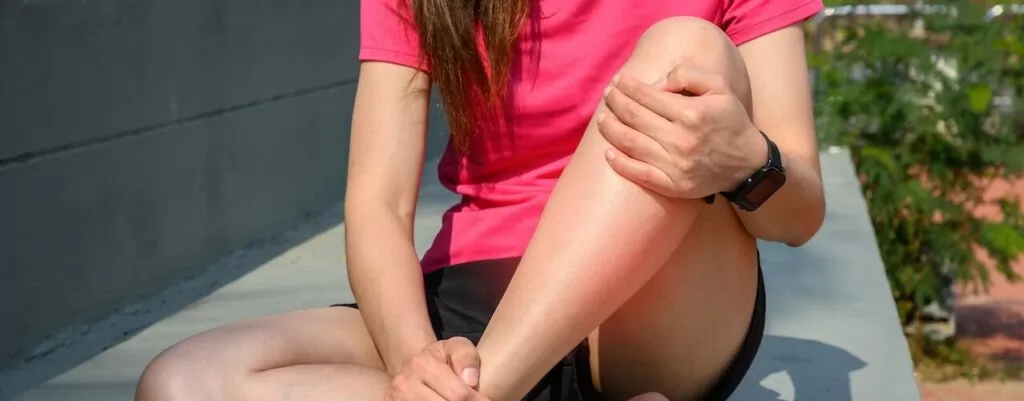
Shin splints are a common complaint among runners, estimated to affect up to 35%. Shin splints can force you to take a break from your training routine. But the good news is, with the proper knowledge and approach, you can significantly reduce your risk of developing them through shin splint prevention techniques.
Understanding Shin Splints and Their Causes
Shin splints are a pain in the lower leg, usually felt along the shinbone (tibia).
Read full blogUnlocking Vestibular Therapy Benefits

Do you ever feel like the world is spinning, even when you’re perfectly still? Or do you struggle to maintain your balance, leading to frequent falls or difficulty walking in a straight line? These are just a few examples of the challenges faced by individuals with balance disorders. If you’re nodding your head in agreement, you understand firsthand how these symptoms can impact your daily life, making simple tasks like walking, driving, or standing up feel like monumental challenges.
Read full blog5 Effective Exercises for Relieving Musculoskeletal Pain at Home
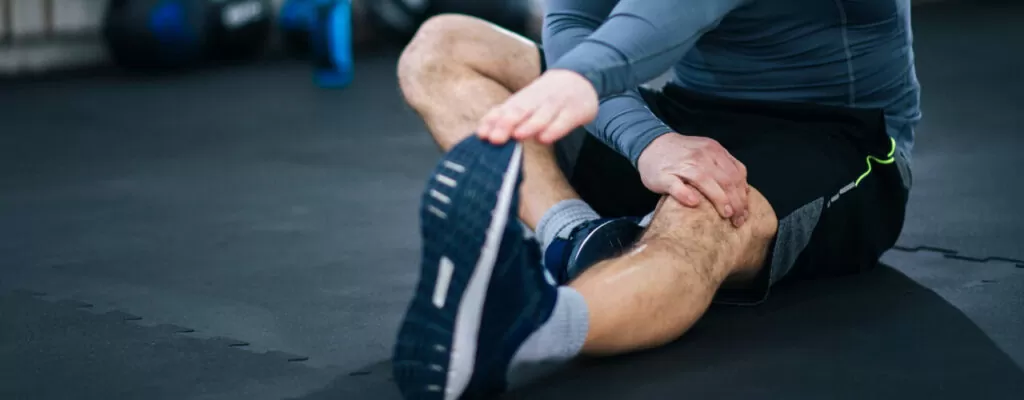
Exercises for musculoskeletal pain are crucial for managing discomfort and enhancing overall well-being. Whether it’s stiffness, soreness, or limited mobility, targeted exercises can help alleviate these symptoms.
If you’re grappling with musculoskeletal pain, let our team at in Florida guide you toward effective relief strategies through tailored exercises and stretches.
Understanding the Benefits of Exercises for Musculoskeletal Pain
From improved flexibility to reduced inflammation, these exercises aim to address various aspects of chronic musculoskeletal discomfort.
Read full blogAchilles Tendonitis Relief: Techniques for Pain Reduction
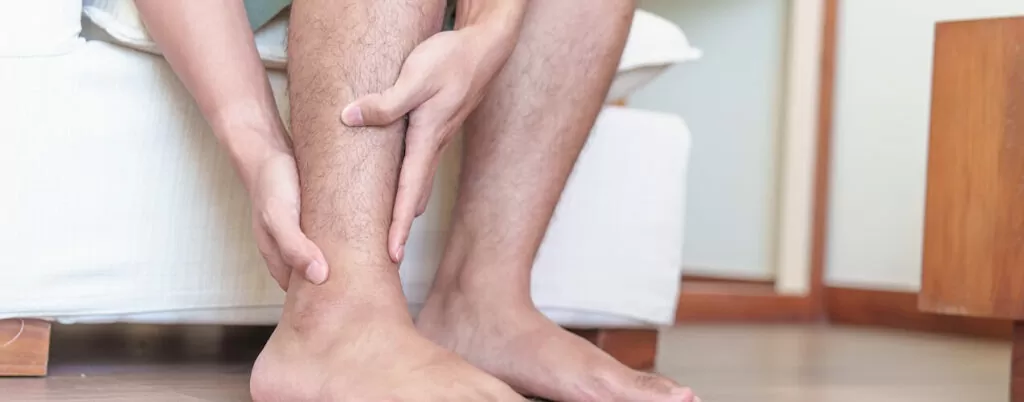
Are you struggling with pain in your heel? You could be experiencing Achilles tendonitis. This condition causes inflammation in the Achilles tendon, the band of tissue that connects your calf muscles to your heel bone. While it can be a frustrating injury, physical therapy offers a safe and effective path to Achilles tendonitis relief.
Understanding Achilles Tendonitis and Its Causes
Achilles tendonitis is the inflammation of the Achilles tendon.
Read full blogAnkle Stability Tips: Enhancing Strength and Support

Ankle instability can be a surprisingly common problem, affecting approximately 46% of people who experienced consistent ankle sprains. This instability can lead to more ankle sprains, pain, and a decreased ability to participate in activities you enjoy. Fortunately, physical therapy can be a powerful tool for regaining strength, support, and confidence in your ankle. Physical therapy helps individuals rebuild stability and resilience in their ankles through targeted exercises and personalized ankle stability tips.
Read full blogLongevity in Athletics: Injury Prevention Techniques for Sustained Performance

Meet Jessica, a dedicated runner who loved to hit the trails every weekend. Lately, she had been experiencing a twinge in her knee that worsened with each run. The discomfort wasn’t just affecting her weekend hobby; it crept into her daily life, making walking up stairs or standing challenging. Jessica isn’t alone. Many athletes face similar challenges, battling through pain that threatens their athletic performance and overall quality of life. Fortunately, there is a way to maintain longevity in athletics: physical therapy injury prevention techniques.
Read full blog