Brian (not his real name) had always relied on his strength and mobility to get through long workdays. Lifting heavy materials, reaching overhead, and performing repetitive motions were second nature—until his right shoulder began aching persistently. At first, he dismissed the discomfort as normal wear and tear. But when sharp pain started interfering with his work and simple tasks, he knew something was wrong, and a visit to his doctor confirmed a rotator cuff tear. Fortunately, rotator cuff tear rehabilitation at Rebound Rehabilitation helped restore his strength and function without an operation.
Brian’s Story: Overcoming a Rotator Cuff Injury
The Assessment: Pinpointing the Problem
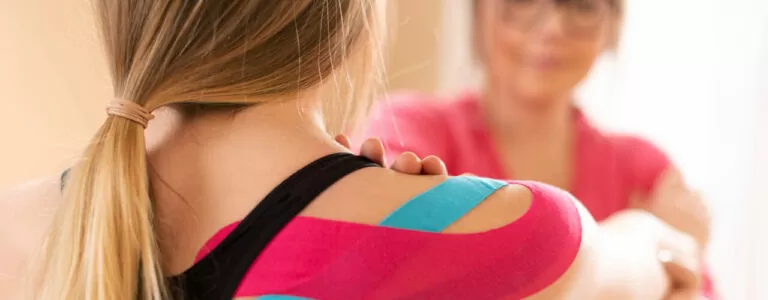
When Brian arrived at Rebound Rehabilitation, his physical therapist conducted a thorough evaluation to understand the full extent of his injury.
Key findings from Brian’s assessment included:
Limited Range of Motion
- Raising his arm above shoulder height was difficult and painful.
Muscle Weakness
- The injured shoulder lacked stability, making lifting and carrying objects challenging.
Compensatory Movements
- To avoid pain, Brian was unconsciously shifting more work to his left shoulder, which put additional strain on his body.
His therapist explained that without proper treatment, his shoulder could become even weaker, increasing the risk of further damage. With a personalized recovery plan, however, Brian could regain mobility, strength, and function—without the need for surgery.
A Personalized Plan for Recovery
The team at Rebound Rehabilitation designed a structured rotator cuff tear rehabilitation program tailored to Brian’s needs. His therapy sessions focused on three main goals: reducing pain, restoring flexibility, and rebuilding strength.
Key components of Brian’s treatment plan included:
Manual Therapy
- Hands-on techniques helped loosen stiff muscles and improve circulation in the shoulder joint, reducing pain and promoting healing.
Targeted Mobility Work
- Gradual stretching exercises restored mobility and ensured the shoulder moved smoothly through its full range of motion.
Progressive Strength Training
- Resistance exercises focused on strengthening the rotator cuff muscles and surrounding stabilizers to prevent future injuries.
Neuromuscular Re-education
- Training Brian to move correctly without compensating with other muscles helped restore natural shoulder function.
Each session built upon the last, helping Brian steadily regain control of his shoulder.
Breakthrough Moments: The Turning Points in Recovery
At first, progress was slow, and Brian had moments of doubt. But after just a few weeks, he noticed small victories:
Less Pain with Daily Activities
- Getting dressed, reaching for tools, and driving became easier.
Increased Strength
- He could lift light objects without the fear of sharp pain.
Improved Range of Motion
- Raising his arm above shoulder level became possible again.
The biggest breakthrough came when Brian was able to return to modified work duties without discomfort. By the end of his program, he had full use of his shoulder and the confidence to perform demanding tasks without hesitation.
How Brian’s Success Relates to You
Many people dealing with a rotator cuff injury share Brian’s concerns: Will I ever regain full function? Can I avoid surgery? How long will recovery take?
Brian’s experience at Rebound Rehabilitation proves that rotator cuff tear rehabilitation through physical therapy is a highly effective solution. With expert guidance, structured progress, and commitment to the process, significant recovery is possible—without relying on surgery or pain medication.
Take the First Step Toward Recovery
If shoulder pain is limiting your life, don’t wait for it to get worse. At Rebound Rehabilitation, we specialize in helping patients like Brian regain strength, mobility, and confidence through expert physical therapy.
Take control of your recovery today. Contact Rebound Rehabilitation today to schedule an appointment and learn how our personalized rotator cuff tear rehabilitation programs can help you get back to the activities you love—without surgery.